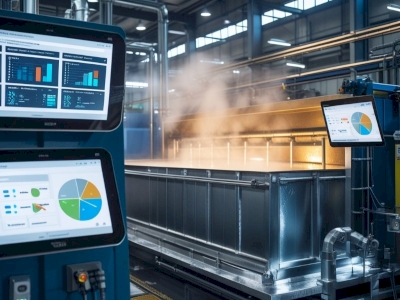

The garment and textile industry faces numerous challenges, from managing complex supply chains to maintaining quality control in production. Implementing CS SOFTWARE SOLUTION can streamline operations, making it easier to integrate and manage various business processes. Organizations that adopt CS systems specifically designed for the garment sector often see significant improvements in quality and efficiency, resulting in higher customer satisfaction.
Best practices for utilizing CS in this industry include focusing on core functionalities such as inventory management, production scheduling, and real-time reporting. Addressing challenges like data integration and user training is essential for successful CS deployment. Additionally, the integration of quality control modules tailored for the garment industry enhances product consistency, thus reducing waste and ensuring compliance with industry standards.
The success rate for CS usage in the garment and textile industry can be quite high when solutions are effectively customized to meet specific needs. Companies leveraging these technologies find that they not only optimize their operations but also achieve higher levels of agility and responsiveness to market demands. By embracing CS systems, businesses can position themselves for sustainable growth and improved competitive advantage
Best Practices for Implementing CS SOFTWARE SOLUTION in the Garment and Textile Industry
Successful CS SOFTWARE SOLUTION implementation in the garment and textile industry requires careful consideration of various factors. This section outlines critical practices that enhance the likelihood of successful deployment and ongoing effectiveness in operations.
1. Assessment and Planning
Before selecting an Enterprise system, a thorough assessment of business needs is vital. Organizations must analyse their current processes and identify areas for improvement.
A defined roadmap is essential for guiding the implementation. This should include project timelines, stakeholder roles, and budget considerations. Numerical projections can aid in evaluating potential ROI.
Involving key users early in the planning phase helps identify specific requirements. Engaging both management and staff leads to greater alignment and commitment to the project's success.
2. Customization and Integration
Customization ensures that the Enterprise system aligns closely with specific operational needs. It is crucial to avoid excessive alterations that may complicate future updates. Focus should remain on core functionalities that enhance efficiency.
Integration with existing systems is equally important. The Software Solution should seamlessly communicate with current tools like chain systems. This reduces data silos and enhances overall management efficiency.
Selecting Enterprise solutions designed for textile and garment applications, like CS SOFTWARE can minimize customization needs. Industry-specific functionalities can provide significant advantages in managing unique workflows.
3. Training and User Adoption
Effective training programs are critical for user adoption. Comprehensive training sessions tailored to different user roles ensure that all employees understand the new system. This minimizes resistance and fosters confidence.
Continuous support during the initial weeks of implementation helps users acclimate to new processes. Creating a user-friendly manual can further augment learning.
Encouraging feedback from users can highlight potential difficulties and areas for improvement. This feedback loop fosters a culture of adaptability and investment in the ERP system.
4. Continuous Improvement
CS implementation should not be viewed as a one-time event but part of an ongoing process of improvement. Regular audits of system usage can identify inefficiencies or underused features.
CS Software Continuously aligning with Garment’s buyer requirements, this will not only drive compliance but also fosters ongoing improvement. By integrating the right technologies—whether software or hardware—factories can enhance efficiency while maintaining high standards.
Encouraging regular updates that align with government policy and professional development keeps skills relevant. Organizations should stay informed about new ERP features and updates that could benefit their operations.
Establishing a dedicated team to monitor system performance and user feedback can drive initiatives for enhancement. This commitment to continuous improvement promotes sustained operational efficiency and business growth.
Driving Digital Transformation in Garment Manufacturing: A Case Study
One of the largest garment factories in Bandung, Indonesia, and a key Tier 1 manufacturer for global sports apparel brands like Adidas and New Balance, embarked on its digital transformation journey in 2013 by implementing CS Software.
Optimizing Order Management
Before adopting CS Software, processing buyer orders was a labor-intensive task. A team of eight employees managed order processing every two-week cycle, requiring up to seven days to complete material planning, purchase requests, production orders, and scheduling.
With the implementation of the CS Order Management Module, the entire process was automated. Orders are now imported directly from buyers, and the system seamlessly translates and calculates all necessary data, generating subsequent documents for production. This automation reduced processing time to under two hours and required no more than two personnel—significantly enhancing the efficiency of the merchandising and marketing divisions.
Enhancing Production Visibility
Previously, production data was recorded manually using pen and paper, resulting in a lack of real-time visibility for management. Compiling reports took one to two days, as data had to be gathered from multiple departments and reconciled through Excel.
By integrating CS Software, the factory now has real-time production insights accessible through interactive dashboards. Data collection has been modernized with QR scanners, RFID, tablets, and kiosks—eliminating manual paperwork and enabling faster, more accurate decision-making.
This digital transformation has not only streamlined operations but also set a new benchmark for efficiency and transparency in the garment manufacturing industry.
Key Achievements from Digital Transformation
By implementing CS Software, the factory has achieved groundbreaking improvements across multiple operational areas:
1. Real-Time Quality Control Monitoring
2. Real-Time Performance Monitoring
3. Real-Time Stock Monitoring
4. Industry-Leading Compliance & Buyer Trust
These advancements have positioned the factory as a leader in the global sports apparel manufacturing industry, setting new standards in efficiency, quality, and innovation.