The plastic packaging industry plays a vital role in multiple sectors, especially food packaging, due to its versatility and cost-effectiveness. Market dynamics, key applications, and the supply chain structure shape this industry's competitive landscape and future potential.
The global plastic packaging market was valued around $350 billion in 2024, with a compound annual growth rate (CAGR) of approximately 4.5% expected through 2030. Growth is driven by expanding demand from the food and beverage, healthcare, and personal care sectors.
Emerging economies in Asia-Pacific show rapid expansion due to urbanization and changing consumer lifestyles. However, sustainability concerns and regulatory pressures prompt innovations in biodegradable and recyclable plastics, impacting market development.
The COVID-19 pandemic disrupted manufacturing operations and logistics globally, impacting plastic packaging supply chains. Lockdowns led to workforce shortages and temporary plant closures, reducing production capacity.
At the same time, demand for certain packaging types increased sharply due to heightened safety, hygiene concerns, and shifts toward home consumption. For example, single-use packaging and food-grade plastics saw a surge. The pandemic accelerated innovation in packaging design to meet new health regulations. Companies also increased focus on supply chain resilience and risk management to adapt to uncertain conditions.
E-commerce growth has transformed packaging requirements by emphasizing durability, protection, and branding. Packaging must withstand multiple handling stages, reduce damage, and enhance customer experience.
The plastic packaging industry faces complex issues related to waste management, environmental consequences, and evolving regulatory frameworks. These factors shape how manufacturers adapt operations and innovate sustainably.
Researchers and manufacturers focus on developing polymers that reduce environmental impact while maintaining performance. Polylactic acid (PLA) is a leading biodegradable alternative gaining traction for single-use packaging.
New technologies emphasize recyclability and compostability. These include improved chemical recycling techniques that allow plastics to be broken down and reused without quality loss.
Best Practices for CS Software Solution Implementation in Plastic Packaging
Effective CS ERP implementation in the plastic packaging industry involves optimizing operational workflows and maintaining precise, up-to-date data. These aspects are critical in meeting production demands and improving decision-making.
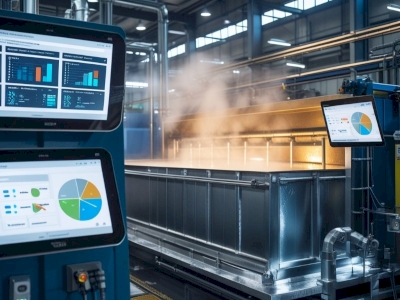
Plastic packaging companies benefit from ERP by integrating functions such as inventory management, production scheduling, and supplier coordination into a single platform. This integration reduces manual errors and accelerates processes. ERP systems also help manage compliance with industry regulations by tracking quality control steps and documentation. This leads to consistent product output and reduced risk of recalls or penalties. Real-time dashboards and reports allow managers to monitor production metrics, inventory levels, and order statuses instantly. This transparency supports proactive decision-making. ERP enables scenario planning using live data, helping companies adapt to fluctuations in demand and raw material costs effectively.
Real-time analytics offered by CS Software help managers identify bottlenecks and plan maintenance proactively, reducing downtime. ERP solutions play a critical role in optimizing operations, reducing waste, and improving supply chain transparency within the industry. Best practices include real-time data access, integrated inventory control, and automated compliance reporting.
CS Software offers tailored ERP solutions designed specifically for plastic packaging manufacturers. After implementation, companies typically see improvements in productivity, cost control, and decision-making accuracy. By implementing these systems, plastic packaging firms can better navigate market shifts while promoting operational efficiency and sustainability goals.